Walk into any hardware shop in India and ask for "a
tarpaulin," and you'll likely be handed whatever's in stock — not
necessarily what your job actually needs. With six-plus tarpaulin types on the
market, each engineered for a different kind of stress, picking the wrong one
is one of the most common (and costly) mistakes buyers make. A cheap sheet that
tears in the first monsoon storm ends up costing more than a slightly pricier
one that lasts three seasons.
Here's a straightforward guide to matching the right
tarpaulin to the right job.
Start With the Question: What Are You Protecting, and
From What?
Before comparing materials, get clear on three things:
- Exposure
— Will it sit outdoors year-round, or is it for occasional, short-term
cover? - Load
— Is it draping over soft goods, or getting pulled taut over machinery
with sharp edges? - Movement
— Will it be tied down on a truck bed at highway speed, or stay still over
a stack of construction material?
These three answers narrow the field fast.
The Main Types, and Where Each One Wins
HDPE Tarpaulin The workhorse choice for most outdoor
jobs. Lightweight, waterproof, and UV-resistant, HDPE handles everything from
covering construction material and agricultural produce to protecting trucks,
warehouses, and machinery. If you need one dependable, all-purpose option, this
is usually it.
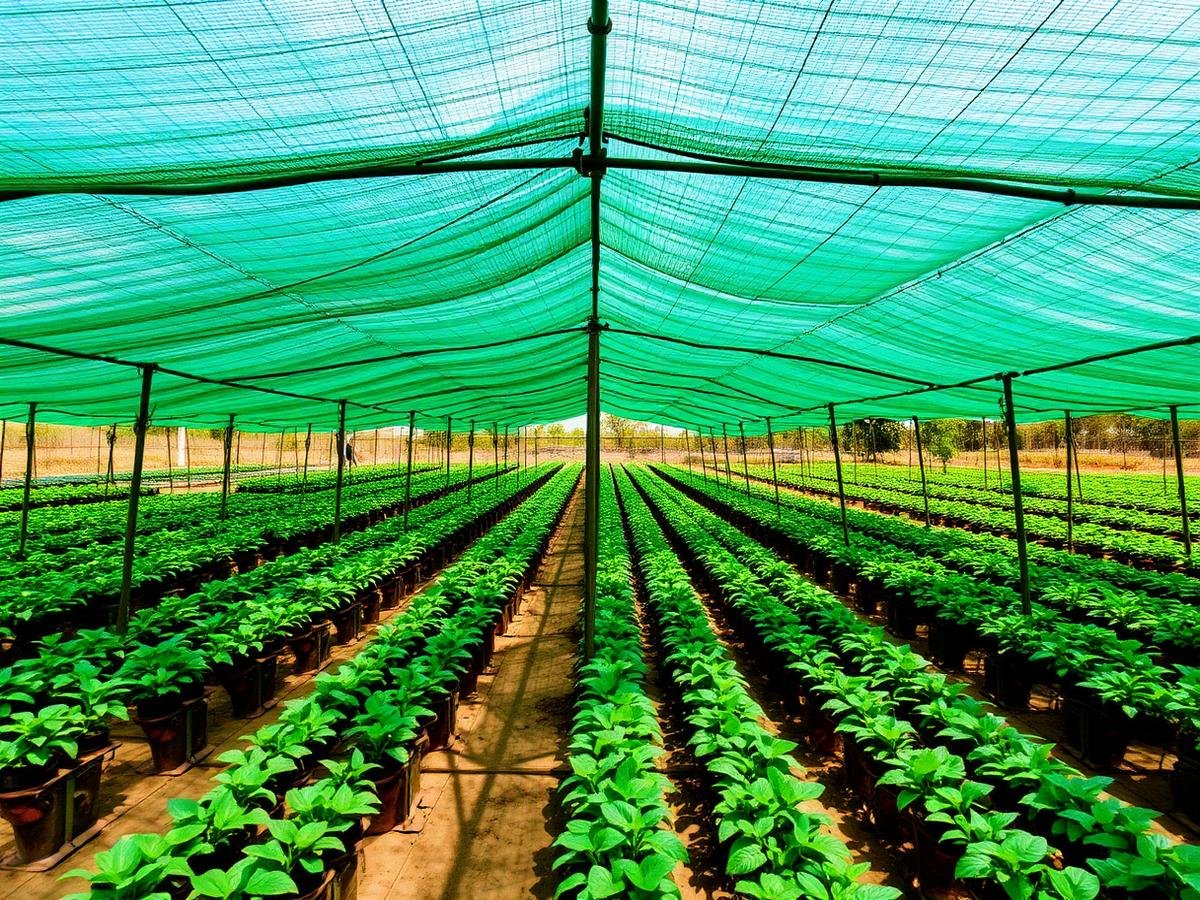
Canvas Tarpaulin When breathability matters as much
as protection, canvas earns its place. It shields machinery, vehicles, and
stored goods from dust and sun while still letting moisture escape — useful for
anything that shouldn't be sealed in condensation, like certain agricultural
storage setups.
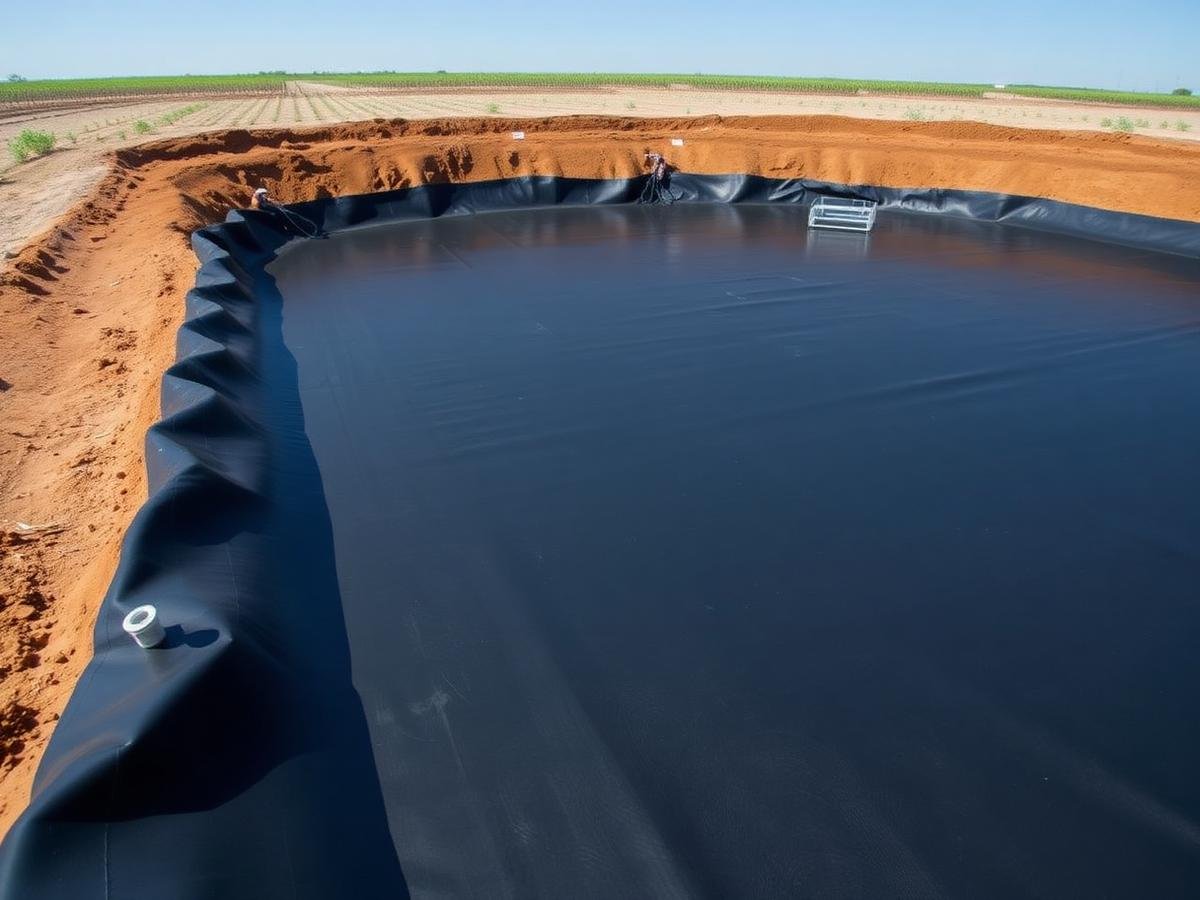
Pond Liner A different job entirely: keeping water in
rather than keeping weather out. Pond liners are built to stop seepage in fish
farming ponds, irrigation ponds, rainwater harvesting systems, and water
storage tanks. Don't substitute a standard tarpaulin here — sustained water
contact needs a liner engineered for it.
Multi Layer Multi Axis Tarpaulin For heavy-duty
environments — industrial storage, large-scale construction covering,
transportation of bulky loads — the extra layers add tear resistance and
flexibility that single-layer sheets can't match. This is the option when
failure isn't an option.
LDPE Tarpaulin A flexible, everyday choice for
temporary covers, packaging, and general storage protection. Not built for
extreme conditions, but reliable for routine use where budget matters.
Nylon Tarpaulin Where portability counts — camping,
temporary shelters, vehicle protection — nylon's strength-to-weight ratio makes
it easy to handle without sacrificing durability.
Three Specs Worth Checking Before You Buy
- GSM
(Grams per Square Metre) — Higher GSM generally means a thicker, more
durable sheet. Match it to how much wear the tarpaulin will actually take. - Tear
Strength — Especially important if the tarpaulin will be pulled tight,
tied down, or exposed to wind. - UV
Stabilisation — In Indian summers, unprotected material degrades fast.
UV-stabilised coatings extend usable life significantly.
A Quick Rule of Thumb
If you're unsure, HDPE covers the widest range of everyday
needs. Step up to multi-layer for heavy industrial use, switch to canvas when
breathability matters, and reach for a dedicated pond liner the moment water
storage is involved. Nylon and LDPE fill in the lighter, more temporary end of
the spectrum.
The right tarpaulin isn't the cheapest one on the shelf —
it's the one engineered for the specific stress your job will put it under.
Getting that match right the first time saves money, material, and a fair
amount of frustration when the next storm rolls in.