Walk past any nursery, polyhouse, or vegetable farm in India
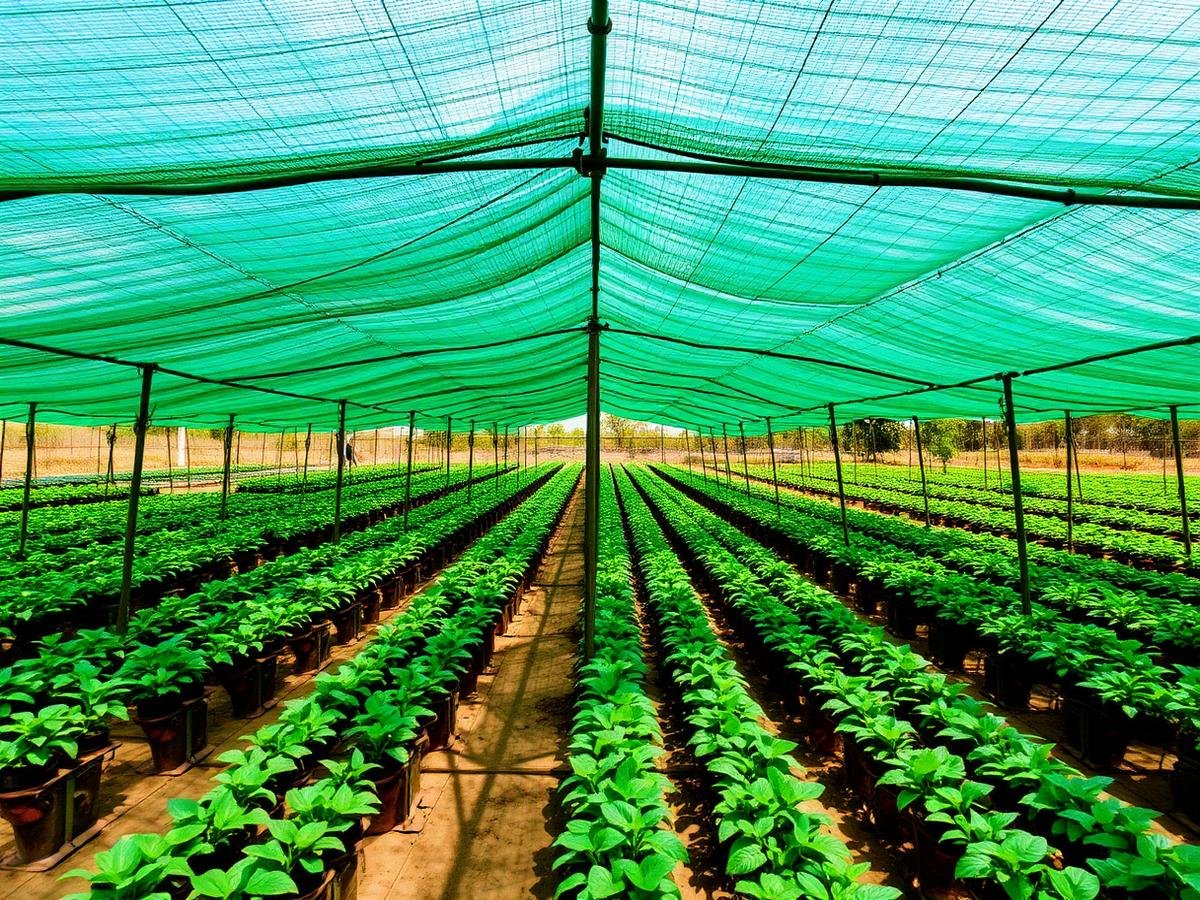
today and you'll likely see shade nets stretched overhead. What used to be a
niche protective measure has become standard practice for farmers looking to
manage heat stress, conserve water, and extend growing seasons. But shade nets
aren't one-size-fits-all — the wrong shade percentage or material can do as
much harm as good. Here's what to consider before you buy.
Why Shade Nets Have Become Essential
India's summers routinely push temperatures past 40°C in
many farming regions, and direct, unfiltered sunlight can stress or scorch
crops, dry out topsoil faster, and increase water requirements significantly.
Shade nets address this by diffusing sunlight rather than blocking it entirely
— crops still photosynthesise normally, but without the harsh heat and UV load
that damages leaves, flowers, and fruit.
Beyond temperature control, shade nets also:
- Reduce
moisture evaporation from soil, cutting down irrigation frequency - Protect
young seedlings and nursery plants during their most vulnerable growth
stage - Shield
crops from hail, heavy wind-driven rain, and some pest intrusion - Create
more stable microclimates for high-value crops like flowers, spices, and
exotic vegetables
Choosing the Right Shade Percentage
Shade nets are rated by the percentage of sunlight they
block — typically ranging from around 35% to 75%. This is the single most
important decision in selecting a net, and it depends entirely on what you're
growing:
- 35–50%
shade suits crops that need strong light but some heat relief — many
vegetables and fruiting crops fall in this range. - 50–65%
shade works well for nurseries, seedlings, and semi-shade-tolerant
crops during their early growth stages. - 65–75%
shade is suited to shade-loving plants like certain ornamentals,
orchids, and foliage nursery stock that would scorch under higher light
levels.
Choosing too high a shade percentage for a light-hungry crop
can reduce yield just as much as too little shade can cause heat stress —
matching the net to the crop is critical.
Material and Weave Matter as Much as Shade Percentage
A shade net's performance over multiple seasons depends
heavily on the quality of its material and weave:
- UV
Stabilisation: Since shade nets spend their entire working life
exposed to direct sun, UV-stabilised HDPE material is essential —
untreated material becomes brittle and degrades within a single season. - Weave
Density and Pattern: A tighter, more consistent weave gives more even
shade distribution across the crop, avoiding the patchy sun/shade patterns
that uneven or low-quality nets create. - Tensile
Strength: Nets need to withstand wind loading over large spans without
tearing at the edges or grommets, particularly during monsoon storms.
Installation Tips That Extend Net Life
Even a high-quality shade net underperforms if installed
poorly:
- Allow
for airflow. Stretching a net too tightly against a rigid frame
restricts ventilation and can trap heat rather than dissipating it — leave
slight slack for airflow. - Secure
all edges and corners properly. Wind stress concentrates at poorly
anchored corners, which is where most tears originate. - Height
above the crop matters. Too low restricts airflow and light
distribution; too high reduces the shading effect and wastes structural
material. - Inspect
after major storms. Check for loosened ties, sagging sections, or
small tears before they widen under continued wind and weight.
Beyond Shade Nets: A Complete Farm Protection System
Shade nets rarely work in isolation — most farms pair them
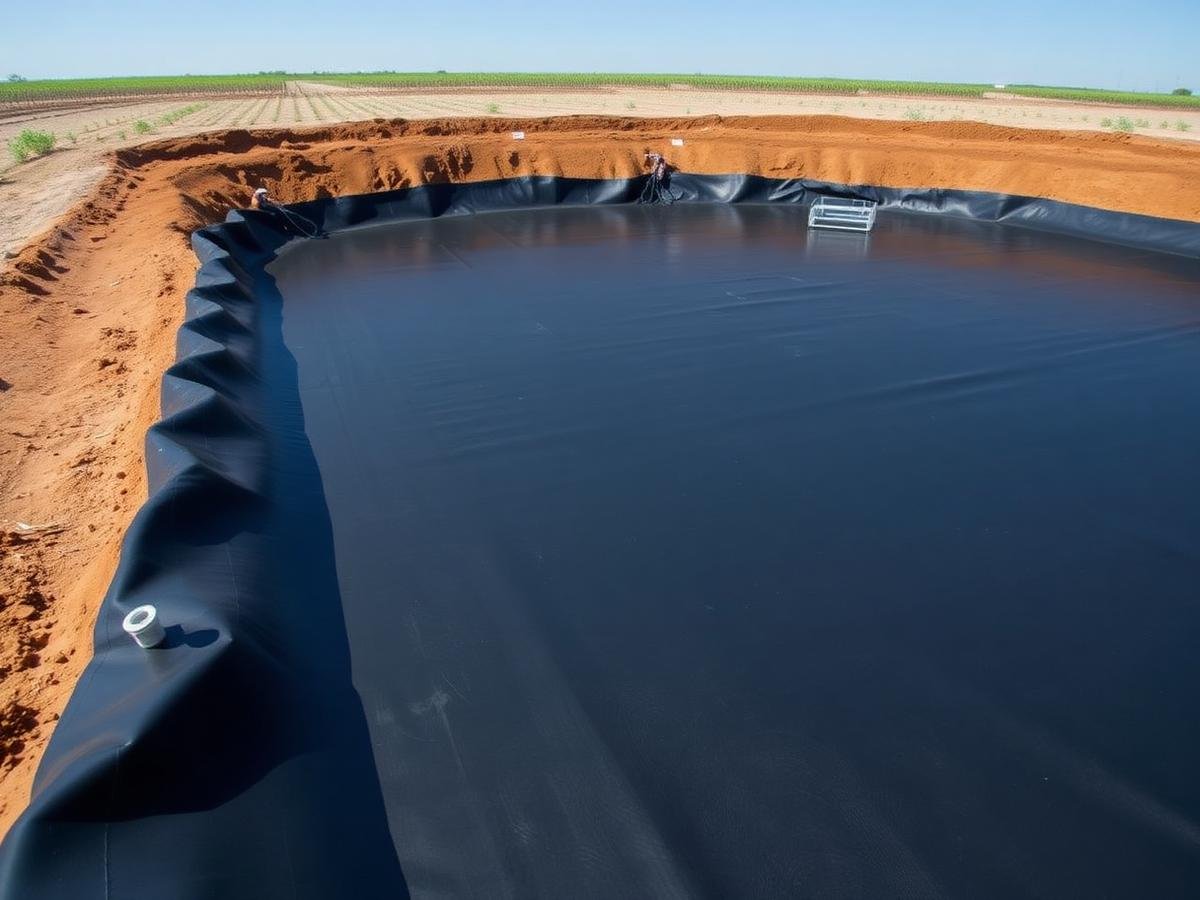
with pond liners for irrigation water storage, mulching films for weed and
moisture control, and tarpaulins for produce and equipment protection. Thinking
about farm protection as a system, rather than a single product, generally
delivers better results across a full growing season.
At Kamadhenu Tarpaulin Industry, our agriculture range is
built on the same UV-stabilised, tear-resistant standards we've applied to
protective materials since 1985 — because a shade net that fails mid-season
costs far more than the price difference between a low-grade and a properly
engineered one.
Not sure which shade percentage suits your crop? Our team
can help you match the right net to your farm's specific conditions.